






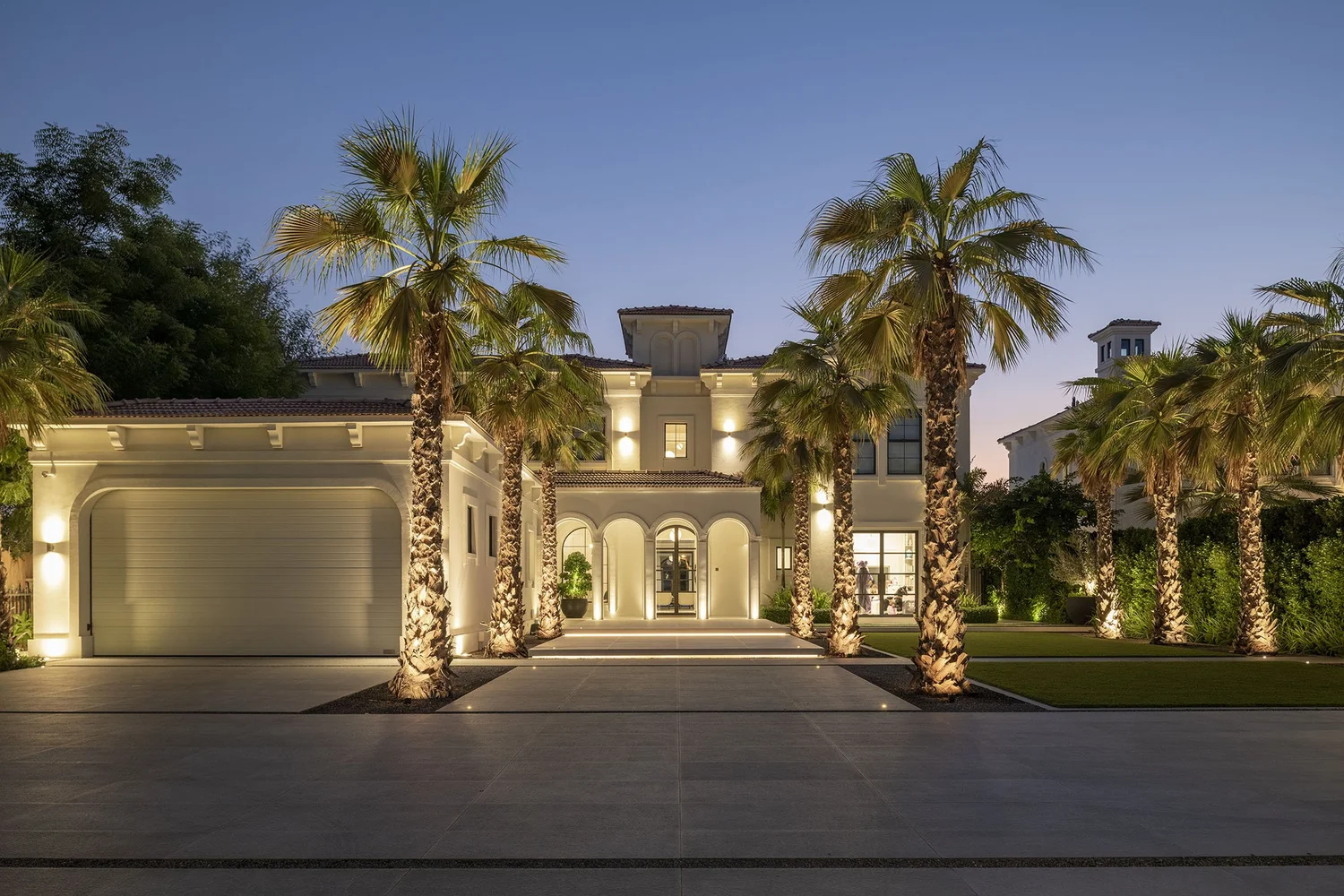
The right landscape lighting can completely change how an outdoor space looks and feels after sunset. Poor-quality fixtures may create harsh light, uneven coverage, frequent maintenance issues, or fail to withstand outdoor conditions.
Good lighting should do more than illuminate pathways; it should highlight architectural features, improve safety, create atmosphere, and complement the surrounding landscape. These six practical tips will help you assess fixture quality, placement, durability, brightness, and design before investing in high quality landscape lighting.
Match lighting to the space
Study each outdoor area and its function. Pathways suit low fixtures that guide footsteps, while patios benefit from softer illumination around seating zones. Accent lights work well near trees, walls, sculptures, and architectural details. Think about the mood you want during evening hours, then select fixture types that support it without making the setting harsh or overly bright.
Check fixture durability
Outdoor fixtures face heat, rain, dust, and changing temperatures, so sturdy construction matters. Look for corrosion-resistant metals, sealed housings, and finishes designed for exterior use. Quality materials help fixtures maintain appearance and performance across changing seasons. Ask about weather ratings before choosing, especially when lights sit beside pools, irrigation areas, or exposed walkways.
Choose the right brightness
Brightness affects comfort as much as visibility. Intense lights can produce glare, while weak fixtures may leave important areas dim. Select lumen levels according to each fixture’s location and purpose. Warm light suits seating areas and gardens, while brighter illumination works well along steps, entrances, and paths. Balanced output keeps the setting inviting after dark.
Consider energy efficiency
Efficient lighting helps control electricity use and supports longer operating periods. LED fixtures offer strong illumination with low energy consumption and suit many outdoor applications. Timers, photocells, and smart controls help manage operating hours. Choose systems that let you adjust schedules easily, so lights run only when the space is used.
Inspect installation quality
Good fixtures perform best with sound installation. Check cable placement, fixture positioning, connections, and drainage around each fitting. Professional installers can place lights at useful angles and protect electrical connections from moisture.
Compare style and maintenance
Lighting should suit the architecture, plants, paving, and outdoor furniture around it. Select finishes and fixture shapes that complement existing features rather than competing with them. Also consider cleaning, bulb replacement, wiring checks, and access to components. Simple maintenance supports consistent performance and keeps fixtures looking fresh. Compare warranties and service options before choosing a final lighting system.